


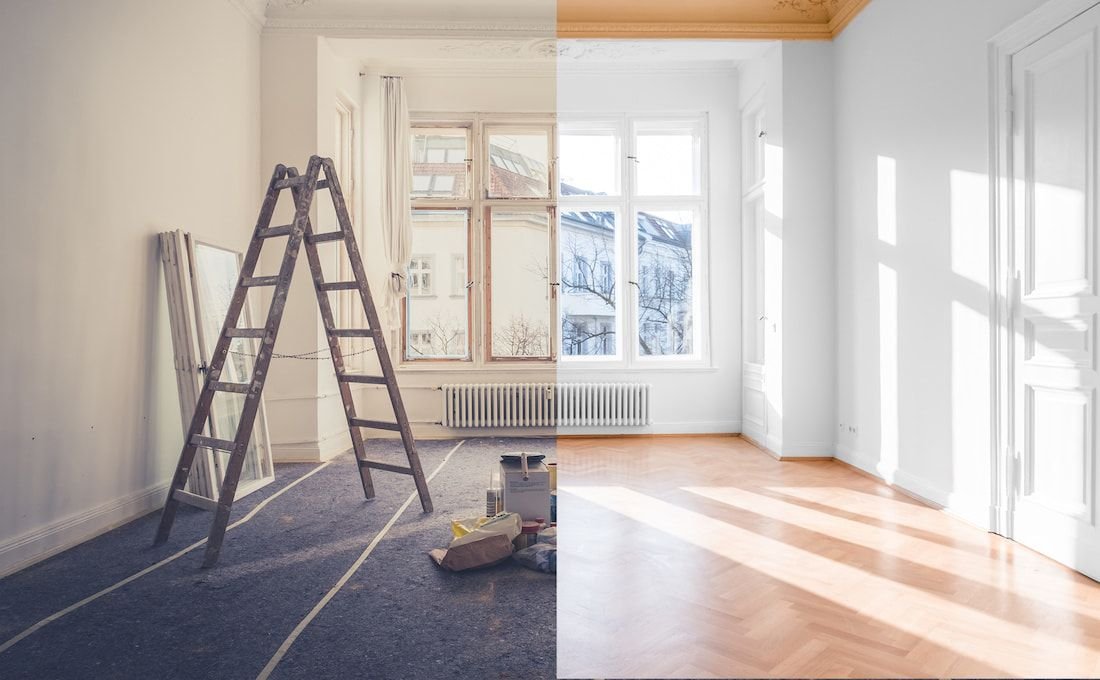
Homeowners often face a common dilemma: should they invest in a large-scale renovation or focus on consistent maintenance? Both paths require time and money, but they impact a home’s value in different ways. Understanding the distinction between these two approaches is key to making smart decisions that protect and enhance your property’s worth. While a brand-new kitchen is exciting, neglecting essential upkeep can quickly erase any value gained.
The Critical Role of Home Maintenance
Maintenance involves the regular tasks required to keep your home in good working order. These are often small, preventative actions that stop minor issues from becoming major, costly problems. Think of it as the foundation of your home’s health.
Protecting Your Initial Investment
A home is one of the largest investments you will ever make. Consistent upkeep protects that investment from depreciation. A leaky roof that is ignored can lead to water damage, mold, and structural problems, resulting in repairs that far exceed the cost of the initial fix. Regular maintenance preserves the home’s condition, ensuring it holds its value over time. Potential buyers are often deterred by a long list of deferred maintenance tasks, which signals neglect and potential hidden issues.
High-Return, Low-Cost Projects
Many maintenance projects offer a significant return on investment without a hefty price tag. Simple tasks like servicing the HVAC system, cleaning gutters, sealing cracks in the driveway, and touching up paint improve your home’s function and appearance. These actions show pride of ownership and contribute to strong curb appeal, which is the first impression your home makes on visitors and potential buyers.
The Allure of Renovation
Renovations are larger projects designed to update, alter, or add to your home’s existing structure. This could be anything from modernizing a bathroom to finishing a basement or building an extension. Renovations are about improving your lifestyle and boosting your home’s appeal in the current market.
Increasing Livable Space and Function
One of the primary benefits of renovation is the ability to customize your home to better suit your needs. Converting an unused attic into a home office or finishing a basement to create a family room adds valuable square footage and enhances functionality. These upgrades can make a home more attractive to a wider range of buyers who are looking for modern amenities and flexible living spaces.
Targeting High-Impact Areas
Strategic renovations in key areas like kitchens and bathrooms typically yield the highest returns. An updated kitchen with modern appliances and improved layout can be a major selling point. Likewise, a refreshed bathroom with new fixtures and contemporary tile can significantly lift a home’s overall appeal. It’s also wise to consider overlooked spaces; for example, a project like professional garage floor finishing in Salt Lake City can transform a utilitarian area into a clean, functional extension of the home.
Finding the Right Balance for Maximum Value
So, what adds more value? The answer is not one or the other, but a strategic combination of both. A renovated home with a failing foundation or an outdated electrical system will not command top dollar. Conversely, a perfectly maintained but severely dated home may struggle to compete in the modern market.
Maintenance First, Renovation Second
Before embarking on any major renovation, ensure the core components of your home are in excellent condition. This means addressing the roof, foundation, plumbing, and electrical systems. A solid, well-maintained structure is the necessary canvas for any successful renovation. Buyers expect the basics to be in order.
Smart Renovations That Pay Off
Once your home’s essential systems are sound, focus on renovations that have a proven track record of adding value. Mid-range projects often provide a better return than high-end, luxury updates that may not appeal to all buyers. The key is to make improvements that enhance the home’s appeal without pricing it out of the local market.
Ultimately, consistent maintenance is non-negotiable for preserving your home’s value. Renovations, when chosen wisely, can then elevate that value further. By balancing routine care with thoughtful upgrades, you can best protect your investment and create a home that is both enjoyable to live in and attractive to future buyers.
