


Metal roofs are renowned for their durability, energy efficiency, and striking appearance. Unlike traditional asphalt shingles, a well-maintained metal roof can last 40 to 70 years—or even longer—making it a smart long-term investment for homeowners. However, longevity isn’t automatic; proper care and maintenance play a critical role in ensuring your metal roof withstands the test of time. Here’s a comprehensive guide to help you extend the lifespan of your metal roof.
1. Regular Inspections Are Key
The first step to prolonging the life of your metal roof is consistent inspections. Experts recommend checking your roof at least twice a year, ideally in spring and fall. Look for signs of damage such as loose fasteners, scratches, rust spots, and areas where the protective coating may be wearing thin. Early detection of minor issues can prevent costly repairs down the line and help you address potential weaknesses before they escalate into serious problems.
2. Keep Your Roof Clean
Metal roofs are relatively low-maintenance compared to other materials, but they still benefit from periodic cleaning. Leaves, twigs, and debris can accumulate in valleys and gutters, retaining moisture and promoting corrosion. Cleaning your roof with a soft-bristle brush or low-pressure water rinse will help maintain its protective coating. Avoid harsh chemicals or abrasive tools, as they can scratch the metal surface and compromise its protective finish.
3. Address Rust and Corrosion Promptly
Even high-quality metal roofs can develop rust or corrosion over time, especially in areas with high humidity or coastal environments. If you notice small rust spots, remove them using a wire brush, sand the area lightly, and apply a rust-inhibiting primer followed by a matching metal roof paint. Prompt attention to these areas prevents the corrosion from spreading and ensures your roof maintains its structural integrity and aesthetic appeal.
4. Maintain Proper Ventilation
Proper attic ventilation is often overlooked, but it is crucial for the longevity of a metal roof. Excess heat and moisture in the attic can lead to condensation, which may cause corrosion on the underside of the metal panels. Installing ridge vents, soffit vents, or a combination of both can help regulate temperature and moisture levels, protecting your roof and improving overall energy efficiency.
5. Trim Overhanging Trees
Tree branches that hang over your roof can pose several risks. Falling branches during storms can dent or puncture metal panels, while constant rubbing against the roof surface can scratch protective coatings. Additionally, leaves and organic debris from trees increase moisture retention and the likelihood of corrosion. Regularly trimming overhanging branches keeps your roof safer and cleaner, extending its lifespan.
6. Check Fasteners and Seals
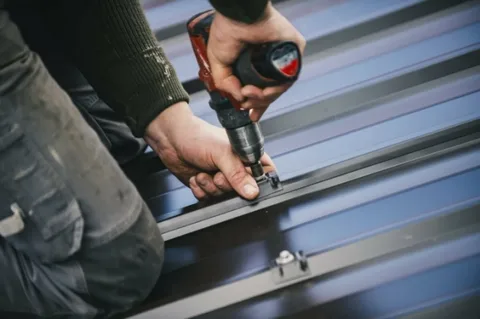
Over time, screws, bolts, sealants, and foam closure strips on a metal roof can loosen, degrade, or shift. When this happens, water may seep through gaps, potentially causing leaks and damage to the roof deck. During inspections, carefully check all fasteners and foam closure strips, tightening or replacing any that are worn or compromised. Additionally, examine seals around vents, skylights, and chimneys, and reapply sealant as needed to ensure a fully watertight barrier.
7. Apply Protective Coatings
Many metal roofs are coated with paint or other protective finishes, which help prevent rust and UV damage. Over time, these coatings can fade or wear away. Reapplying a high-quality metal roof coating every few years can help restore protection, prevent corrosion, and enhance the roof’s appearance. Choose coatings specifically designed for metal roofs and follow the manufacturer’s instructions for application.
8. Hire Professional Help When Needed
While homeowners can handle many routine maintenance tasks, certain situations require professional attention. Major dents, significant corrosion, or complex repairs are best addressed by a roofing contractor experienced with metal roofs. Investing in professional maintenance ensures repairs are done correctly, preserving the structural integrity and lifespan of your roof.
In Conclusion
A metal roof is an investment that pays off in durability, energy savings, and curb appeal—but only if it’s properly maintained. By conducting regular inspections, keeping the roof clean, addressing rust promptly, maintaining ventilation, and checking fasteners and seals, you can ensure your metal roof lasts for decades. Trimming overhanging branches, applying protective coatings, and seeking professional help when needed further enhance its longevity. With these proactive steps, your metal roof won’t just survive the elements—it will thrive for generations.
